Last Updated: January 7, 2026

Low testosterone is a common issue that affects many men, which can affect muscle mass, bone health, and even mood and energy levels. Learn about the symptoms, causes, and treatments for low testosterone in plain English.
Testosterone is a hormone found in men. It is made mainly in the testicles. Here are some important facts about testosterone:
- Growth: It helps in growing muscles and bones.
- Energy: It gives energy and keeps you active.
- Mood: It can affect your mood and feelings.
- Sex Drive: It is important for a healthy sex drive.
When testosterone levels drop, you may feel tired or weak. Low testosterone can make it hard to enjoy everyday life.
Symptoms of Low Testosterone
Low testosterone can cause many signs that you can notice in your daily life. Here is a list of common symptoms:
| Symptom | Description |
|---|---|
| Low Energy | Feeling very tired and weak most of the day. |
| Low Sex Drive | Not feeling interested in sexual activities. |
| Mood Changes | Experiencing sadness, irritability, or depression. |
| Loss of Muscle | Decrease in muscle strength and size. |
| Weight Gain | Gaining extra weight, often around the belly. |
| Weak Bones | Increased risk of fractures and bone pain. |
| Memory Issues | Difficulty in concentration and memory loss. |
| Sleep Problems | Trouble falling asleep or staying asleep. |
These symptoms can affect your quality of life. If you notice many of these signs, it might be time to talk to a doctor.
Causes of Low Testosterone
There are many reasons why testosterone levels can drop. Here are some of the common causes:
- Aging: Testosterone naturally drops as you get older. Men over 40 often have lower testosterone.
- Injury: Damage to the testicles can lower testosterone.
- Illness: Chronic conditions like diabetes, obesity or cardiovascular issues can affect hormone levels.
- Medications: Some prescription drugs can reduce testosterone.
- Stress: High levels of stress may also arm hormonal balance and lower testosterone.
- Lifestyle: Poor diet, lack of sleep and not getting enough exercise can impact your hormone balance.
It’s important to know that many factors can work together to lower testosterone. However, a healthy lifestyle may help slow down this process.
Treatments for Low Testosterone
The good news is that there are many ways to treat low testosterone. Treatments depend on the cause and how low the levels are. Here are some of the most common treatments:
| Treatment Option | How it Helps | Notes |
|---|---|---|
| Testosterone Replacement | Provides extra hormone to balance low levels. | Must be managed by a doctor; may have side effects. |
| Exercise and Diet | Helps maintain a healthy weight and body strength. | Includes regular exercise and a balanced diet. |
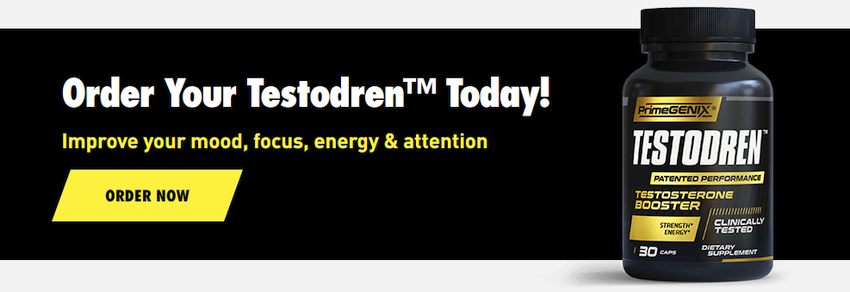
| Testosterone Supplements | Certain supplements can help increase testosterone naturally. | Often used if hormone levels are slightly low. |
| Stress Management | Reduces stress which can improve hormone balance. | Techniques like meditation and counseling help. |
These treatments can work well when they are used together. Many men see the best results when they combine medical treatment with changes in lifestyle.

Understanding Testosterone Replacement Therapy (TRT)
Testosterone Replacement Therapy (TRT) is one of the most common ways to treat low testosterone. Here is how TRT works and what you need to know:
How it Works
TRT gives your body extra testosterone. This can be done through injections, patches, gels, or tablets. The extra hormone helps improve energy, mood, and strength.
Benefits
- Better Energy: More energy for daily activities.
- Improved Mood: Fewer mood swings and less depression.
- Stronger Muscles: Helps build and keep muscle.
- Better Bone Health: Strengthens bones.
Possible Side Effects
- Skin Reactions: Some people may have skin irritation from patches or gels.
- Sleep Issues: TRT may affect sleep in some men.
- Other Risks: It is important to check with a doctor to see if TRT is right for you.
It is very important to use TRT only under the care of a doctor. Regular check-ups are needed to make sure that the treatment is safe and effective.
Lifestyle Changes That Help
Many changes in your daily life can help boost your testosterone levels naturally. These lifestyle changes include:
Follow a Healthy Diet
Eating a balanced diet with plenty of fruits, vegetables, whole grains, and lean protein helps your body stay strong. Foods rich in zinc and vitamin D are especially good for hormone balance.
Get Regular Exercise
Exercise is very important. Strength training and cardio are both good. Even a short walk every day can help.

Get Good Sleep
Aim for 7-8 hours of sleep each night. Sleep is needed for your body to repair and produce hormones.
Manage Stress
High stress can lower testosterone. Try to relax by doing activities you enjoy. Meditation, reading, or spending time with family can help.
See Also: How Testosterone Supplements Improve Mood
Below is a list of simple lifestyle tips you can make to help support healthy testosterone levels:
- Eat well: Choose healthy meals and avoid too much sugar.
- Move more: Try to be active every day.
- Sleep enough: Make a routine to get good sleep.
- Manage stress: Use relaxation methods like deep breathing or hobbies.
Making these changes may seem small, but they can have a big impact on your overall health and hormone levels.
How Diet Can Affect Testosterone
Food plays a big role in keeping your testosterone levels in check. Here are some key points about diet:
Good Foods
| Food Group | Examples | Benefits |
|---|---|---|
| Lean Proteins | Chicken, Turkey, Lean Beef | Helps build muscle and repair tissues. |
| Healthy Fats | Avocado, Nuts, Olive Oil | Supports hormone production. |
| Omega-3 Rich Foods | Salmon, Mackerel, Grass-Fed Meats | Helps reduce inflammation and boost health. |
| Fresh Produce | Broccoli, Spinach | Provides vitamins and antioxidants. |
| Whole Grains | Brown Rice, Quinoa | Gives energy and supports a steady metabolism. |
Foods to Avoid
- Processed Foods: These can be high in sugar and unhealthy fats.
- Excess Alcohol: Drinking too much alcohol can lower testosterone.
- High-Sugar Foods: These can lead to weight gain and lower hormone levels.
Eating the right foods can make a big difference. Try to plan meals that include many of these items every day.

Exercise and Its Impact on Hormones
Exercise is a powerful tool to boost your body’s hormone levels. Regular physical activity can help your body make more testosterone. Some of the other benefits include:
- Increases energy levels.
- Helps maintain a healthy weight.
- Boosts mood and reduces stress.
- Supports muscle growth.
Here are some simple ways to exercise:
- Strength Training: Lifting weights or doing body-weight exercises like push-ups can build muscle and boost testosterone.
- Cardio Exercises: Running, swimming, or biking helps your heart and improves blood flow.
- High-Intensity Interval Training (HIIT): Short bursts of intense exercise followed by rest can be very effective.
Remember, even light activity is better than no activity. Try to find an exercise that you enjoy and can do regularly. Start slowly if you are new to exercise and build up gradually.
The Role of Sleep in Hormone Health
Getting enough sleep is very important for hormone balance. When you sleep, your body has time to repair itself and to produce hormones. Here are some tips for better sleep:
- Keep a Regular Schedule: Go to bed and wake up at the same time every day.
- Create a Calm Space: Make your bedroom dark, quiet, and cool.
- Avoid Screens Before Bed: Too much light from phones or computers can keep you awake.
- Relax Before Sleep: Try reading a book or listening to soft music.
A good night’s sleep can help you feel better, give you more energy, and support your hormone balance.
Medical Treatments Beyond TRT
Besides Testosterone Replacement Therapy (TRT) and lifestyle changes, there are other medical treatments that your doctor may suggest. These may include:
- Medications: Sometimes doctors prescribe drugs that help the body produce more testosterone naturally.
- Treating Underlying Conditions: If low testosterone is caused by another illness, treating that illness can help improve hormone levels.
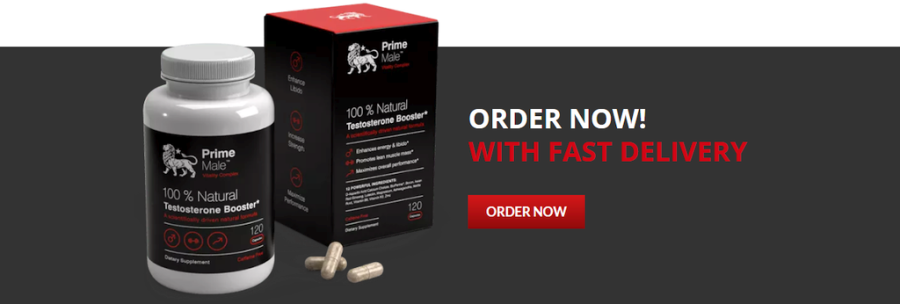
- Supplements: Certain vitamins and minerals, like vitamin D and zinc, may help if you are deficient.
It is important to talk to your doctor before taking any new medication or supplement. They can check your hormone levels with a blood test and help decide the best treatment for you.
Combining Treatments for Best Results
Often, the best way to treat low testosterone is to use more than one approach. Here are some ways to combine treatments:
- Medical and Lifestyle: Use TRT along with a healthy diet and regular exercise.
- Stress and Sleep: Work on reducing stress while making sure you get enough sleep.
- Supplements and Diet: If you have a vitamin deficiency, change your diet and take supplements as recommended by your doctor.
Here’s a simple list of steps to take if you think you have low testosterone:
- Visit a Doctor: Get a blood test to check your hormone levels.
- Talk About Your Symptoms: Share any signs you have noticed with your doctor.
- Discuss Treatment Options: Ask about TRT, medications, and lifestyle changes.
- Follow a Healthy Routine: Improve your diet, exercise, and sleep habits.
- Monitor Your Progress: Keep track of how you feel and follow up with your doctor.
Combining different treatments can give you the best chance to feel better and improve your overall health.

Living a Healthy Life with Low Testosterone
Living with low testosterone does not mean that you have to give up on a healthy life. Many men have learned to manage their symptoms through a mix of treatments and healthy habits. Here are some tips to live well:
- Stay Active: Regular exercise can help keep your body strong.
- Eat Balanced Meals: Focus on whole foods and avoid too much junk food.
- Keep Up with Doctor Visits: Regular check-ups help keep track of your progress.
- Find Support: Talk with family, friends, or join a support group if you need help.
Remember, every person is different. What works for one man may not work for another. It is important to listen to your body and work closely with your doctor to find the best plan for you.
Final Thoughts
Low testosterone can affect many parts of your life. It can lower your energy, change your mood, and make it hard to keep up with daily activities. However, by knowing the symptoms, understanding the causes, and exploring the treatment options, you can take steps to feel better.
Simple changes in your daily routine can help a lot. Eating healthy foods, exercising, and getting enough sleep are steps that not only help your testosterone levels but also improve your overall well-being. When needed, medical treatments like Testosterone Replacement Therapy (TRT) can offer extra help, but these should always be used under the guidance of a doctor.


Jim is the founder of Andro HQ and a self-taught supplement reviewer with over 12 years of personal testing experience. He has evaluated more than 150 bodybuilding products and specializes in identifying effective, science-backed alternatives to banned substances. His insights are grounded in real-world use, documented trials, and continuous experimentation in the gym. While not a licensed health professional, Jim aims to help readers navigate the often-confusing supplement market through honest, evidence-informed reviews. More about this author…