
If you’re over 40 and still training hard, the best workout supplements are creatine, protein powder, vitamin D, magnesium, omega-3s, and a simple pre-workout (like caffeine + L-citrulline). These tend to support muscle retention, recovery, energy, and hormone balance. That said, supplements work best when paired with good sleep, solid nutrition, and consistent training.
Hitting your 40s doesn’t mean you stop building muscle or getting stronger. But things do shift a bit. Recovery takes longer. Joints might complain more. And testosterone… well, it often isn’t what it used to be.
I’ve noticed this personally. What used to feel like a quick bounce-back after a heavy workout can now stretch into two or three days if I’m not careful. That’s where supplements can actually make a noticeable difference – if you pick the right ones.
Let’s walk through what actually helps – and what’s probably overhyped.
Why Supplement Needs Change After 40
A few key changes tend to happen:
- Muscle protein synthesis slows down
- Testosterone gradually declines (1)
- Recovery capacity decreases
- Inflammation tends to increase
None of this means you’re “done.” It just means your strategy needs to be a bit smarter.
Supplements can help fill those gaps – but only if they target real issues.

1. Creatine Monohydrate (Still the King)
If you only pick one supplement, this is it. Creatine has been studied for decades, and it consistently shows benefits for:
- Strength and power
- Lean muscle mass
- Workout performance
- Even cognitive function in some cases (2)
For men over 40, creatine may be even more valuable. It appears to help counteract age-related muscle loss (sarcopenia), especially when combined with resistance training.
How to take it:
- 3–5 grams daily
- No need to cycle
- Timing isn’t that important
There’s also some debate around whether creatine affects hormones. If you’re curious, you might want to check this breakdown: (see “does creatine increase testosterone”).
2. Protein Powder (To Hit Your Daily Target)
You don’t necessarily need protein powder – but most guys over 40 don’t eat enough protein consistently. And that matters more than ever.
Your body becomes slightly less efficient at using protein as you age. So instead of just “getting enough,” you often need a bit more to stimulate muscle growth (3).
Best options:
- Whey protein (fast-digesting, great post-workout)
- Casein (slow-digesting, good before bed)
- Plant blends (if dairy doesn’t sit well)
Target intake:
- Around 0.7–1 gram per pound of body weight
If you’re already eating that through whole foods, great. If not, protein powder just makes life easier.

3. Vitamin D (Underrated for Hormones)
A lot of men are low in vitamin D and don’t realize it. That’s a problem, because vitamin D appears to play a role in:
- Testosterone production (4)
- Immune function
- Bone strength
- Mood
Low levels are common, especially if you work indoors or live in colder climates.
You can learn more about its hormone connection here: Vitamin D Benefits for Men.
Typical dosage:
- 2,000–5,000 IU daily (depending on levels)
Blood testing is ideal, but even a moderate daily dose may help if you’re deficient.
4. Magnesium (Recovery + Sleep Support)
Magnesium doesn’t get much hype, but it should. It supports:
- Muscle function
- Sleep quality
- Stress regulation
- Testosterone levels (indirectly)
And here’s the thing – poor sleep is one of the fastest ways to wreck your recovery and hormones.
There’s a strong link between sleep and testosterone, which is worth understanding:
Best forms:
- Magnesium glycinate (for sleep)
- Magnesium citrate (for digestion)
Dose:
- 200–400 mg daily

5. Omega-3 Fatty Acids (Joint + Heart Health)
By your 40s, joint health starts becoming a real concern. Omega-3s (from fish oil) may help:
- Reduce inflammation
- Support joint comfort
- Improve heart health
They don’t directly build muscle, but they may help you stay consistent with training – which is arguably more important.
Dose:
- 1,000–3,000 mg EPA + DHA daily
6. L-Citrulline (Better Pumps + Blood Flow)
If you’re looking for a performance boost in the gym without going full “stim-heavy pre-workout,” L-citrulline is a solid option. It helps increase nitric oxide, which may improve:
- Blood flow
- Muscle pumps
- Endurance
Some guys notice a real difference. Others don’t feel much. It’s one of those supplements that seems to vary person-to-person.
Dose:
- 6–8 grams pre-workout
You can also pair it with caffeine for a simple, effective pre-workout stack.
7. Caffeine (Simple but Effective)
Caffeine is probably the most widely used performance enhancer – and for good reason. It may improve:
- Focus
- Strength output
- Endurance
That said, tolerance builds quickly, and too much can mess with sleep – which defeats the purpose.
If you want a deeper look at how caffeine affects performance, here’s a helpful resource: Caffeine Benefits For Bodybuilding and Athletic Performance.
Dose:
- 100–300 mg pre-workout
8. Adaptogens (Stress and Recovery Support)
Stress becomes a bigger factor as you get older. Work, family, sleep, and overall life load can all affect your training and hormone levels.
Adaptogens like:
…may help reduce stress and support recovery.
For example, rhodiola has been studied for fatigue and endurance support. Ashwagandha, in particular, may also support testosterone in some cases.
9. Zinc (Basic but Important)
Zinc plays a role in:
- Testosterone production
- Immune function
- Recovery
Low levels may contribute to reduced testosterone (5).
You can find more details here: Zinc Benefits for Men – Boosting Immunity, Testosterone, and Fertility.
Dose:
- 15–30 mg daily
Don’t overdo it – too much zinc can cause issues.

10. Electrolytes (Often Overlooked)
If you’re sweating regularly (which you should be), electrolytes matter. They help with:
- Hydration
- Muscle contractions
- Preventing cramps
This becomes more noticeable with age. Dehydration hits harder, and recovery can suffer.
A simple electrolyte mix or even just adding salt to your water can help.
More on this here: Electrolytes – Their Impact on Performance & How to Avoid Imbalances.
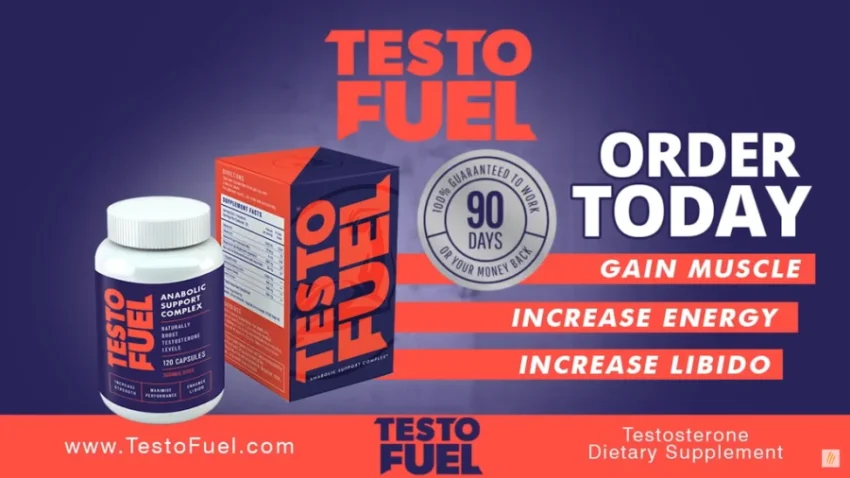
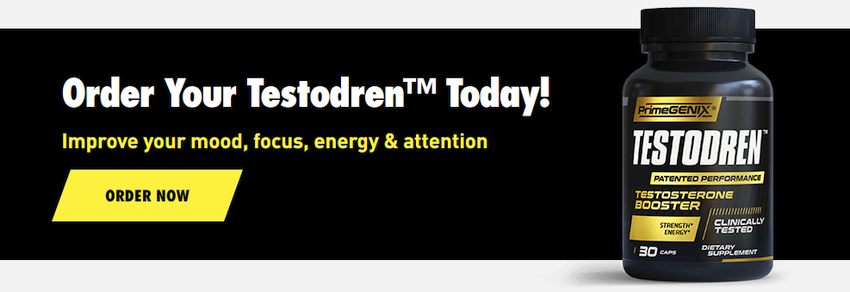
What About Testosterone Boosters?
This is where things get a bit tricky. Some natural ingredients like:
…may help support testosterone modestly. But expectations should stay realistic.
Most over-the-counter “test boosters”:
- Are a safer and more convenient alternative to hormone replacement.
- May work best if you’re deficient or stressed.
- Often are most effective with healthy lifestyle changes (diet, exercise, sufficient sleep).
If you’re curious about how they compare to other options, this is worth reading: Testosterone Boosters vs Steroids – A Complete Guide.

Supplements That May Not Be Worth It
A few categories tend to be overhyped:
- BCAAs (if you already eat enough protein)
- Fat burners (often just caffeine + stimulants)
- Exotic “muscle builders” with limited research
That doesn’t mean they never work – it just means the return on investment is often low compared to the basics.
Sample Simple Stack for Men Over 40
If you want to keep things practical, here’s a solid starting point:
Daily:
- Creatine (5g)
- Protein powder (as needed)
- Vitamin D (2,000–5,000 IU)
- Magnesium (200–400 mg)
- Omega-3s (1–3g)
Pre-workout (optional):
- Caffeine (100–200 mg)
- L-citrulline (6–8g)
Optional add-ons:
- Zinc
- Ashwagandha
You don’t need everything. Even just creatine + protein + vitamin D can go a long way.
The Bigger Picture (This Part Matters More)
Supplements help – but they’re not the foundation. If you’re over 40, these matter more:
- Sleep (7–8 hours)
- Resistance training (3–5x/week)
- Protein intake
- Stress management
There’s actually a strong connection between stress and muscle growth, which you can explore here: (see “how cortisol affects muscle growth”).
I’ve seen guys spend hundreds on supplements while sleeping five hours a night. That’s backwards.
Fix the basics first. Then layer in supplements.
Final Thoughts
Training in your 40s can still be incredibly productive. In some ways, it’s even better – you’re more disciplined, more focused, and less likely to chase nonsense.
Supplements can absolutely help. But the best ones are surprisingly simple:
- Creatine
- Protein
- Vitamin D
- Magnesium
- Omega-3s
Everything else is optional. And honestly? Consistency still beats everything.


Jim is the founder of Andro HQ and a self-taught supplement reviewer with over 12 years of personal testing experience. He has evaluated more than 150 bodybuilding products and specializes in identifying effective, science-backed alternatives to banned substances. His insights are grounded in real-world use, documented trials, and continuous experimentation in the gym. While not a licensed health professional, Jim aims to help readers navigate the often-confusing supplement market through honest, evidence-informed reviews. More about this author…